Free Printable ABC Coloring Book for Kids: 15 Letter Pages
15 Letter Pages to Color and Learn
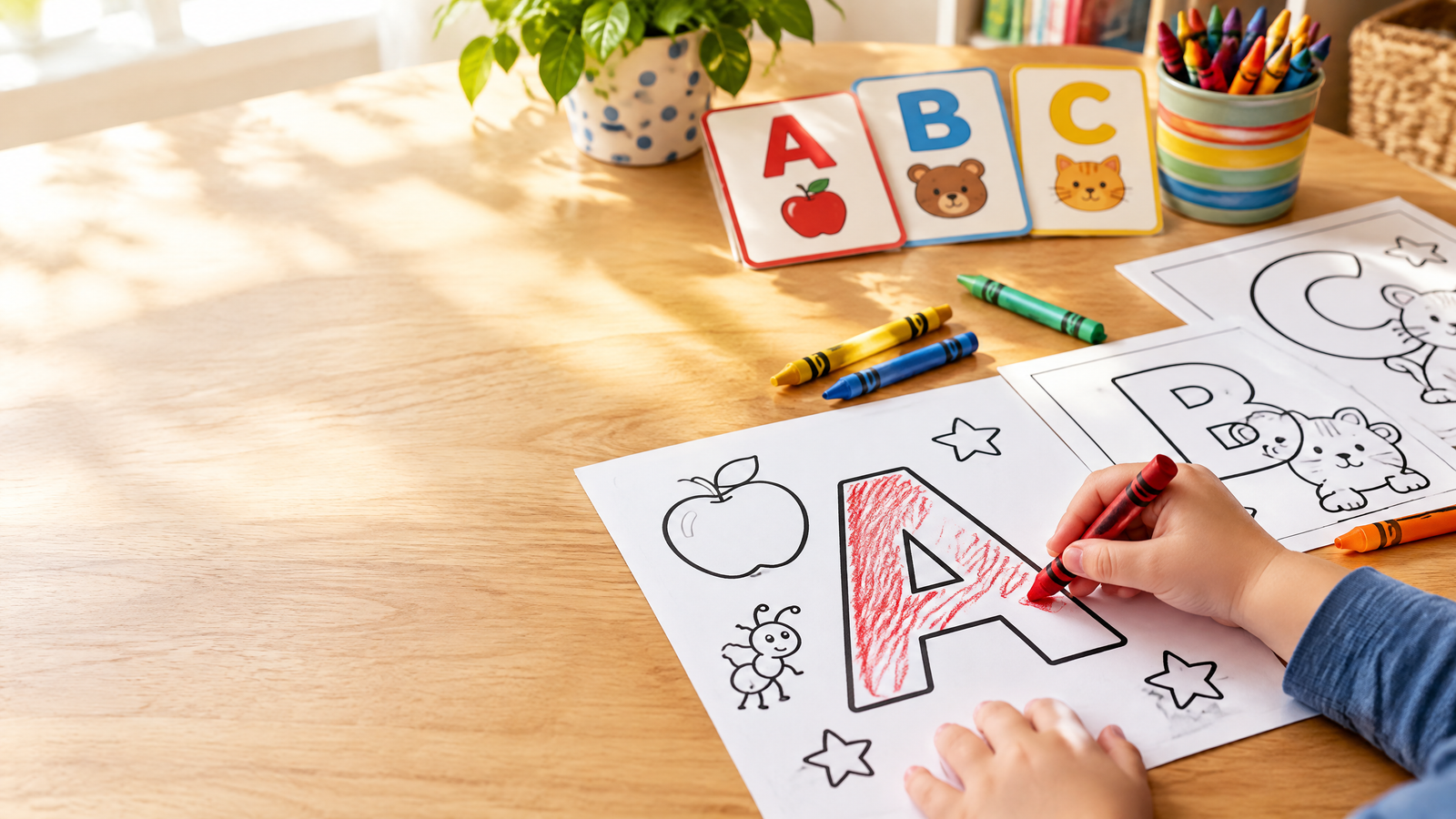
Looking for a simple, screen-free alphabet activity? This free printable ABC coloring book gives preschoolers and kindergarteners 15 cheerful letter pages to color, talk about, and revisit. Each page pairs a large letter with a familiar object—from apple and butterfly to narwhal and owl—so children can connect the shape of a letter with a word that begins with its sound.
Download the free ABC coloring book
This printable pack includes 15 black-and-white coloring pages for letters A through O. The pages are designed for standard home printing and work well for preschool, kindergarten, homeschool, classroom literacy centers, quiet time, or a rainy-day activity.
Download the free printable ABC coloring book PDF
For a single page, right-click or save the individual WebP file below. For the easiest classroom or home setup, print the complete PDF double-sided or place the pages in a three-ring binder.
What is inside the printable alphabet book?
Each page features a letter pair and one clear picture prompt. The object gives children an easy conversation starter: “A is for apple,” “B is for butterfly,” or “C is for cat.” Children can use realistic colors, invent rainbow animals, or add their own background details.
Preview a few free alphabet coloring pages
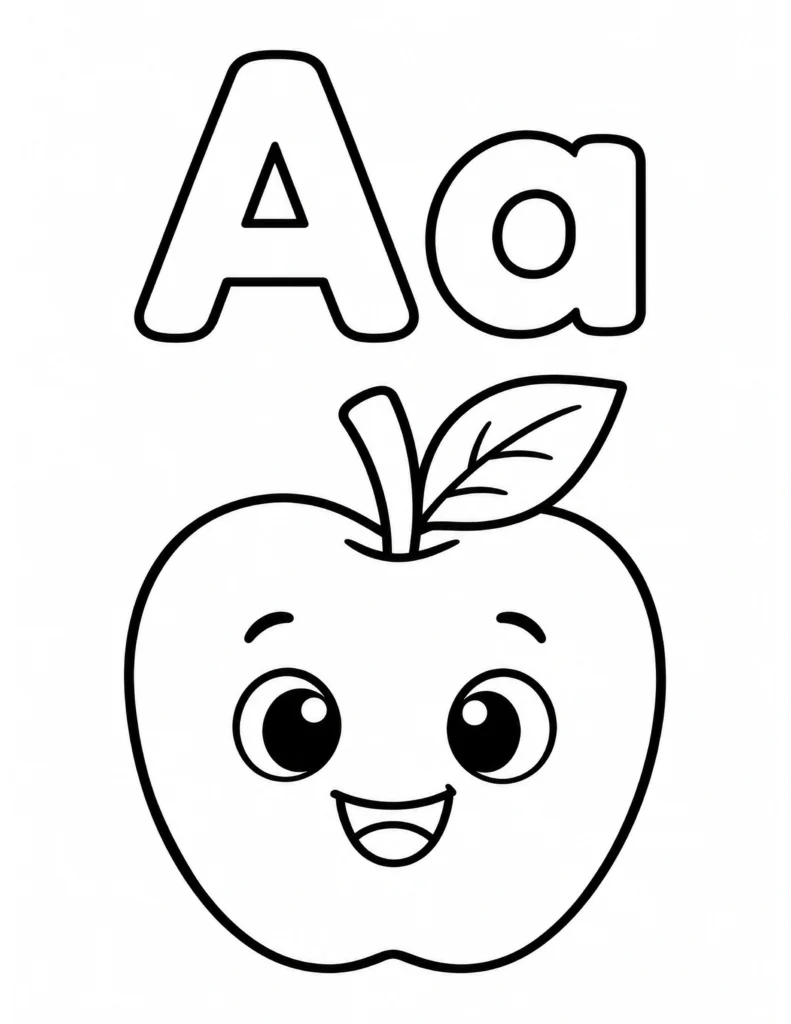
A is for apple is a familiar first-letter connection for young learners. Invite your child to name the color, count the leaves, and say the beginning sound slowly.
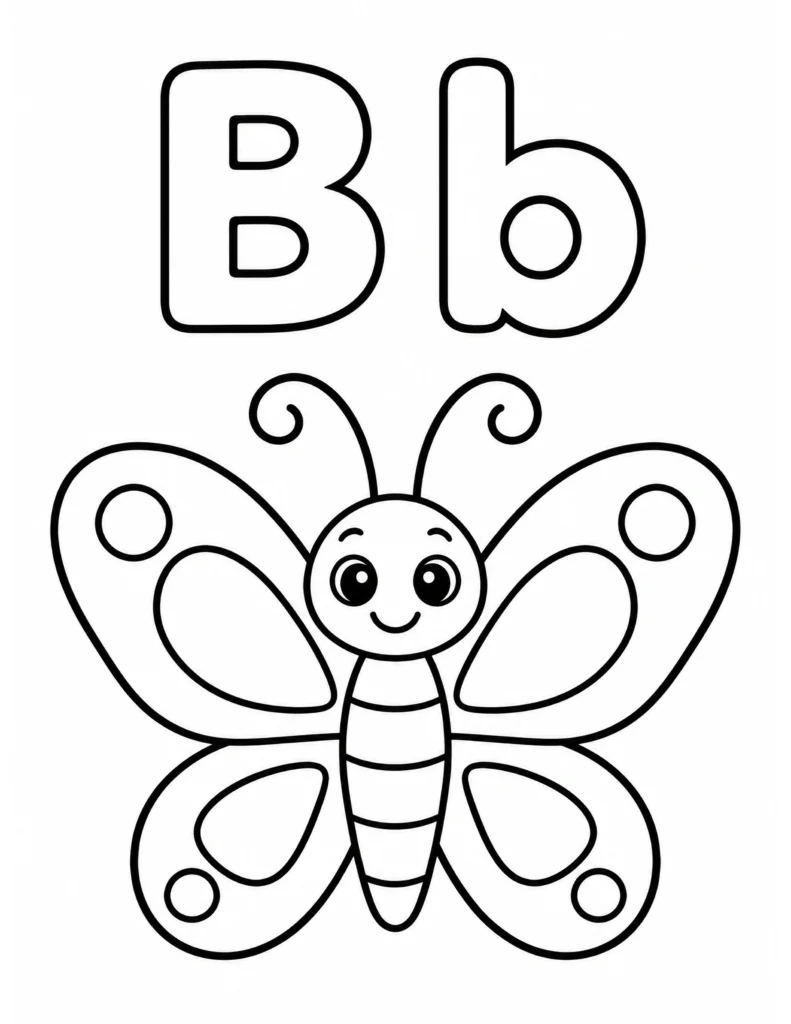
B is for butterfly opens the door to color mixing, symmetry, and a quick conversation about gardens and insects.
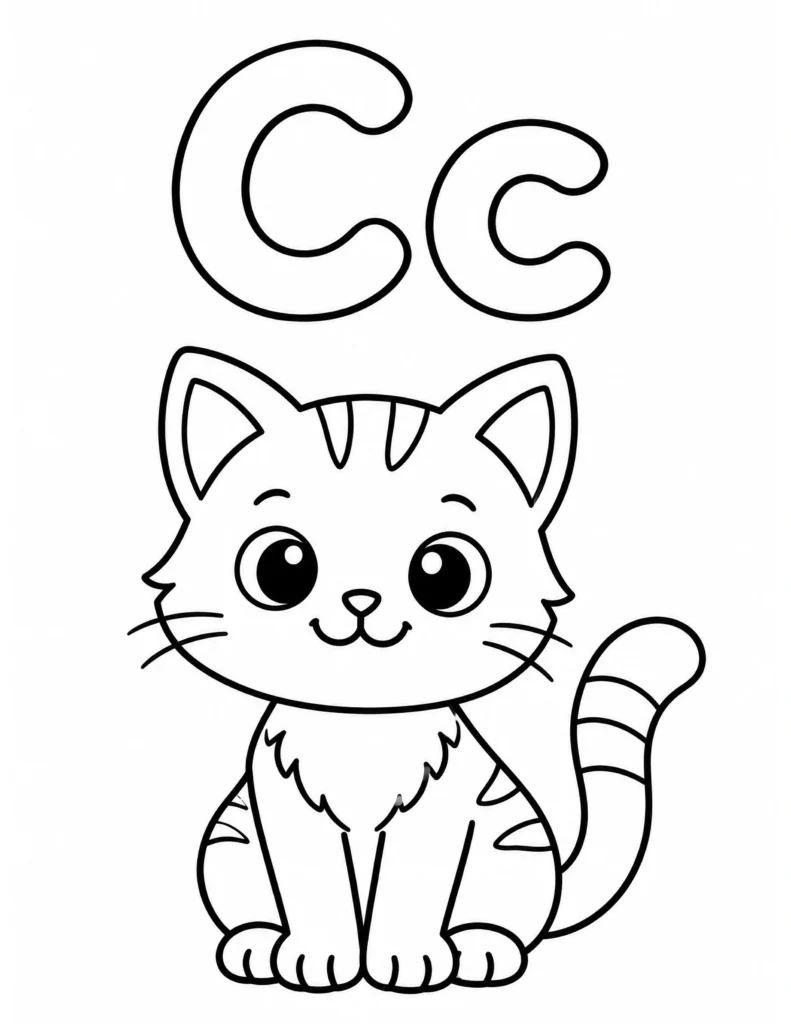
C is for cat is a friendly page for practicing the letter name, the /k/ sound, and simple descriptive words such as soft, small, or sleepy.
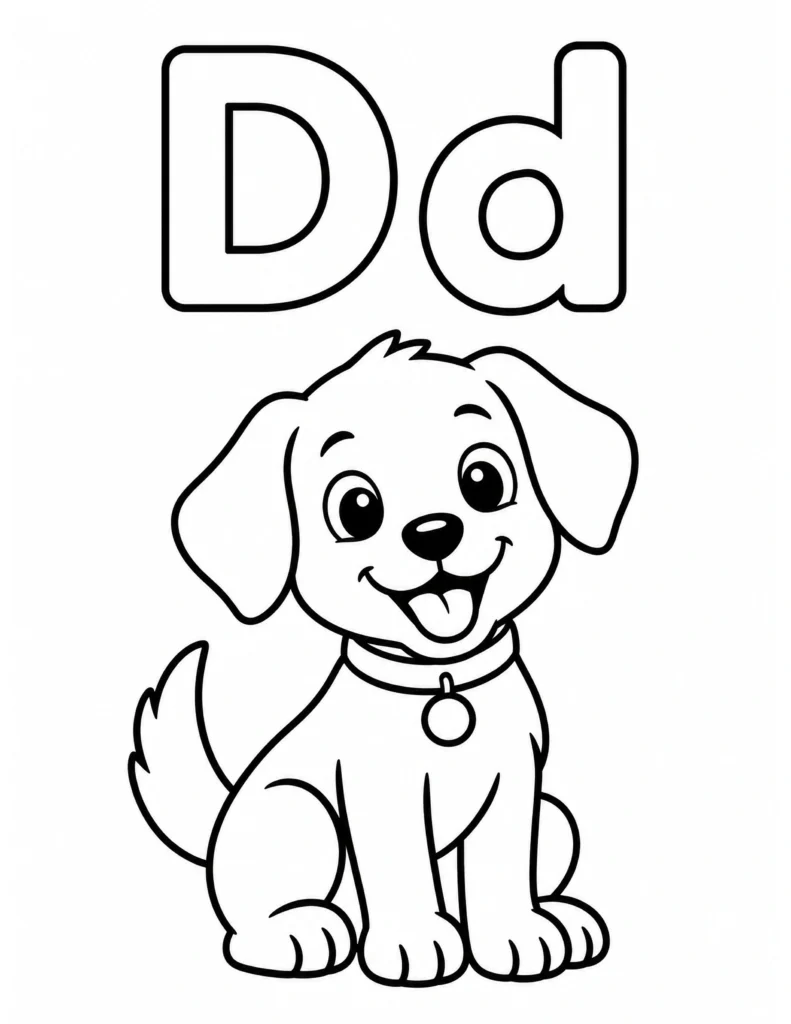
D is for dog can become a short storytelling prompt. Ask your child where the dog is going and what it might see.
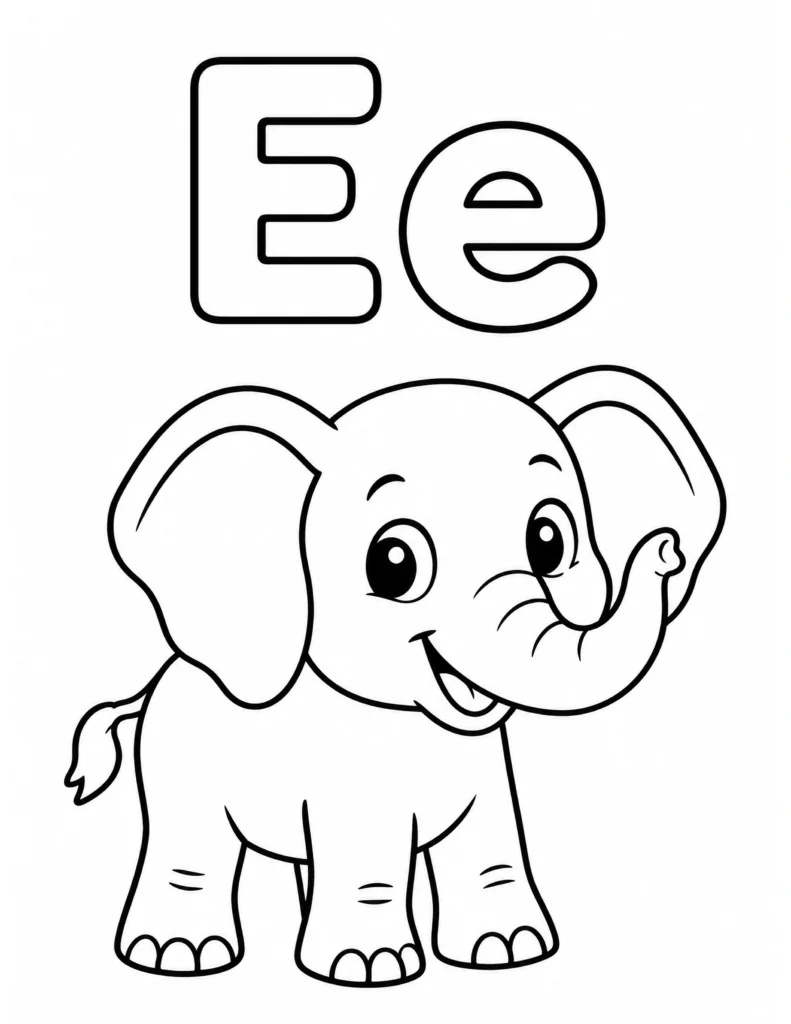
E is for elephant provides a memorable picture while children practice identifying uppercase and lowercase E.
Why use coloring pages for alphabet practice?
Coloring is not a replacement for explicit literacy instruction, but it can create a relaxed setting for repeated exposure to letters. As children hold a crayon, trace a line with their eyes, and make choices about color, they are practicing attention and hand control while talking with an adult about print.
Alphabet knowledge includes familiarity with letter forms, names, and corresponding sounds. A research review in Reading Research Quarterly describes alphabet knowledge as an important part of emergent literacy and reports that instruction can improve letter-name, letter-sound, and letter-writing outcomes when those skills are deliberately practiced . Reading Rockets also explains that children need to recognize and name letters before they can fully apply the alphabetic principle—the predictable relationship between written letters and spoken sounds .
The most useful approach is therefore simple and active. Show the letter, say its name, say the beginning sound, connect it to the picture, and invite the child to respond. Keep the mood encouraging. Young children learn at different rates, and a coloring page should feel like an invitation rather than a test.
Five easy ways to use this free ABC coloring book
1. Say the letter, sound, and picture word
Point to the uppercase letter first, then the lowercase letter. Say the letter name clearly. Next, say the picture word and stretch the beginning sound when it is easy to hear: “M says /m/ in monkey.” The goal is not to turn coloring into a quiz. The goal is to make the connection memorable through a short, repeatable routine.
2. Add a letter hunt
Before coloring, look around the room for the featured letter. Children might find it on a cereal box, a book cover, a toy label, or a wall calendar. This shows that letters are useful symbols that appear in everyday life, not just on a worksheet.
3. Build a mini alphabet book
Print the pages your child is ready to explore and place them in order. Add a blank cover page with the child’s name, or staple the pages along the side. When a new letter is learned, the child can add its page to the collection. A homemade book also creates a natural reason to practice turning pages, pointing to print, and retelling what each picture represents.
4. Pair coloring with a read-aloud
Choose a picture book that features the same animal or object. After coloring the G page, for example, read a story about a giraffe and notice the letter G on the cover. Shared reading gives the letter a meaningful context and helps children hear new vocabulary.
5. Use the page as a writing warm-up
When the coloring is finished, invite your child to draw the object again or write the letter on a separate sheet. Some children will copy the model. Others will make a picture or dictate a sentence for an adult to write. Both responses are useful because they keep the focus on communicating ideas with pictures and print.
A gentle printable routine for preschool and kindergarten
A short routine is usually more sustainable than a long worksheet session. Start with one page and five to ten minutes of conversation. Let the child color freely for a few minutes, then pause to name the letter and picture. If attention is still strong, look for the same letter in a favorite book. End before the activity becomes frustrating.
For preschoolers, emphasize letter names, visual matching, and vocabulary. For kindergarteners, add uppercase and lowercase matching, beginning sounds, and a few simple words that use the featured letter. If your child is confused by letters that look or sound similar, practice them separately and ask the classroom teacher for guidance. Reading Rockets recommends organized instruction that gives children opportunities to identify, name, and write both uppercase and lowercase letters .
More free printable ideas from Oh Simply Mom
If your child enjoys this alphabet pack, continue the learning with other printable activities from Oh Simply Mom’s Coloring & Printables collection. Try the free butterfly coloring pages after the B page, or explore the butterfly life cycle worksheets for a simple science connection. The All About Me poster is another low-prep activity that encourages children to draw, talk, and write about themselves.
For a celebration or classroom gift, the baby shower alphabet activity book offers another alphabet-themed printable idea. You can also browse the broader kids’ activities category for crafts, seasonal activities, and family-friendly learning prompts.
Printing tips for the best results
Print the PDF at 100% or Actual Size if your printer allows it. Select letter-size paper and choose black-and-white or grayscale to save color ink. If the outlines look too light, select the printer’s “best” or “high-quality” setting. For younger children, heavier paper can make crayons and markers easier to use, although ordinary copy paper works well for a quick activity.
The WebP files are useful for a digital classroom folder, a blog post, or a single-page print request. The PDF is the convenient option when you want the full A–O set in one download.
Download, print, and start coloring
A child does not need a complicated lesson plan to begin exploring letters. A few minutes with a crayon, a familiar picture, and a caring adult can turn alphabet practice into a creative daily ritual.
Download the free printable ABC coloring book PDF and print the pages that match your child’s current interests. Then put the finished pages somewhere your child can revisit them—on the refrigerator, in a binder, or inside a handmade alphabet book.
Frequently asked questions
What ages are these ABC coloring pages for?
The pages are a good fit for many preschool and kindergarten children, generally around ages three to six. Children develop at different rates, so use the pictures and prompts flexibly. Older children may enjoy adding labels, writing short sentences, or designing their own letter page.
Can I print only one letter?
Yes. Open any individual WebP page in the table above and print it, or download the complete PDF if you want the full A–O book. Printing one page at a time is helpful when you are focusing on a classroom theme or a child’s name.
Are the pages free for classroom use?
These pages are intended for personal, homeschool, and classroom use. Please share the article link rather than reposting the files, and check the site owner’s terms before using them for commercial products or paid activity packs.
Should children color inside the lines?
Not necessarily. Coloring inside the lines can develop with practice, but the main goals here are engagement, conversation, and exposure to letters. Celebrate the child’s choices and effort instead of correcting every mark.
References
[1] Developing Early Literacy Skills: A Meta-Analysis of Alphabet Learning and Instruction
[3] Coloring & Printables – Oh Simply Mom
[4] Free Butterfly Coloring Pages for Kids
[5] Butterfly Life Cycle Worksheets
[6] All About Me Poster for Kids